
More
    Home Blog

    Top Trends in Custom Plush Manufacturing

    0

    The plush toy industry is constantly evolving, driven by consumer preferences, technological advancements, and creative design innovations. Custom plush manufacturers play a key role in translating these trends into products that appeal to a wide range of audiences. Businesses, event organizers, and brands looking to create memorable toys must stay informed about the latest trends to remain competitive in the market.

    Personalized and Character-Driven Designs

    One of the most significant trends in custom plush manufacturing is the focus on personalized and character-driven designs. Consumers increasingly value unique toys that reflect specific characters, mascots, or themes. From corporate mascots and brand logos to popular characters from media and entertainment, customized designs enhance emotional connection and brand recognition.

    A reliable custom plush manufacturer helps businesses bring these designs to life, offering expertise in translating sketches, digital artwork, or conceptual ideas into tangible products. By providing prototyping services and material recommendations, manufacturers ensure that the final plush toys accurately capture the intended character or theme, resulting in products that resonate with the target audience.

    Sustainable and Eco-Friendly Materials

    Sustainability is a growing priority in the toy industry, and custom plush manufacturing is no exception. Consumers are increasingly conscious of environmental impact, prompting manufacturers to adopt eco-friendly materials and practices. Organic cotton, recycled polyester, bamboo fibers, and biodegradable stuffing are becoming popular choices for plush toys.

    Eco-friendly materials not only reduce environmental impact but also enhance brand reputation. Manufacturers incorporating sustainable practices can help businesses appeal to environmentally conscious consumers while maintaining high standards of quality, durability, and safety.

    Interactive and Multi-Sensory Features

    Another emerging trend is the integration of interactive and multi-sensory features in plush toys. Custom plush manufacturers are increasingly offering options such as sound modules, lights, movement mechanisms, and textured materials. These features make toys more engaging, stimulate sensory development for children, and create memorable experiences for users of all ages.

    By incorporating interactive elements, brands can differentiate their products in a crowded market. Manufacturers with expertise in electronics integration, secure fastening, and safety compliance ensure that these features enhance play value without compromising safety.

    Limited Edition and Collectible Plush Toys

    Limited edition and collectible plush toys are gaining popularity, particularly for fans of entertainment franchises, events, or brands. By producing small batches of highly detailed and unique plush toys, businesses can create exclusivity and drive demand. These limited edition products encourage repeat purchases and generate buzz on social media, increasing brand visibility.

    Custom plush manufacturers can manage small-scale production efficiently while maintaining consistent quality. Their ability to produce detailed designs with precise embroidery, stitching, and accessories ensures that limited edition toys meet high standards and appeal to collectors.

    Technological Integration in Production

    Technology is playing an increasingly important role in custom plush manufacturing. Advanced sewing machines, automated embroidery, and digital printing allow for greater precision and efficiency in producing complex designs. Additionally, 3D modeling and CAD software enable manufacturers to visualize designs before production, reducing errors and saving time.

    Brands benefit from these technological advancements by receiving accurate prototypes, consistent production quality, and faster turnaround times. Manufacturers leveraging technology can also provide virtual samples and mockups, helping clients make informed decisions early in the design process.

    Custom Packaging and Branding

    Packaging has become an essential aspect of the customer experience, and custom plush manufacturers are incorporating branding options into their services. Personalized packaging, eco-friendly wrapping, and branded tags enhance the presentation of the product and reinforce brand messaging.

    Creative packaging also adds value for promotional events, corporate gifts, and retail sales. Manufacturers that provide integrated packaging solutions ensure that plush toys arrive safely while leaving a lasting impression on consumers.

    Focus on Safety and Compliance

    As plush toys often target children, safety remains a top priority in custom plush manufacturing. Manufacturers continue to innovate by using non-toxic dyes, hypoallergenic fabrics, secure stitching, and compliant materials. Adhering to international safety standards such as ASTM, EN71, and CPSIA ensures that products are safe and trustworthy.

    Brands that prioritize safety in design and production build credibility and maintain customer trust, making compliance an essential component of modern plush manufacturing.

    Conclusion

    Custom plush manufacturing is evolving rapidly, driven by personalization, sustainability, interactivity, technology, and design innovation. Trends such as character-driven designs, eco-friendly materials, multi-sensory features, limited edition products, technological integration, custom packaging, and stringent safety standards are shaping the industry.

    Partnering with an experienced custom plush manufacturer allows businesses to leverage these trends effectively, producing plush toys that are safe, engaging, environmentally responsible, and aligned with consumer expectations. Staying informed and adaptable ensures that brands remain competitive in the dynamic world of custom plush products.

    How to Track and Analyze Your SIP Portfolio Using NAV Trends

    0

    Systematic Investment Plans (SIPs) have emerged as one of the most favored investing strategies in recent years for investors, especially in India. SIPs obtain popularity due to their disciplined investing approach, which enables individuals to commit small, periodic amounts toward mutual fund investments. One of the critical metrics for monitoring and analyzing a SIP portfolio is Net Asset Value (NAV). By evaluating NAV trends, investors can gain deeper insights into the performance of their investments.

    This article discusses how investors can track and analyze their SIP portfolio using NAV trends for better decision-making and understanding.

    What is Net Asset Value (NAV)?

    At its core, Net Asset Value refers to the per-unit price of a mutual fund scheme. In simple terms, NAV represents the total assets of the mutual fund (including its securities and cash holdings) minus its liabilities, divided by the number of units held by investors. NAV is calculated daily, incorporating the day’s market movements and valuations.

    Formula for NAV

    The formula for calculating the Net Asset Value is:

    NAV = (Total Assets – Total Liabilities) / Outstanding Units

    For example:
    Suppose a mutual fund scheme holds total assets worth ₹50 crore, liabilities amount to ₹5 crore, and the total number of outstanding units is 20 lakh.

    Then:
    NAV = (₹50 crore – ₹5 crore) / 20 lakh units
    NAV = ₹45 crore / 20 lakh units
    NAV = ₹225 per unit

    This NAV indicates the value of a single unit of the mutual fund scheme at that time.

    Importance of NAV in Tracking Your SIP Portfolio

    NAV serves as the primary benchmark for understanding the health of your mutual fund investment. By monitoring NAV movements over time, investors can evaluate whether the fund is performing as desired. When tracking Systematic Investment Plan investments, observing NAV trends becomes essential because:

    1. Assessing Performance: If NAV consistently increases, it implies that the fund is creating wealth for its investors. Conversely, declining NAV trends may warrant examining the fund’s portfolio or the broader market conditions.
    2. Cost Averaging in SIP: SIP allows investors to buy more units when the NAV is low and fewer units when the NAV is high. This cost-averaging method smoothens out investment risks over time.
    3. Analyzing Long-term Returns: Comparing NAV trends over weeks, months, and years enables investors to measure the fund’s compounded growth rate and assess its long-term profitability.

    Tracking NAV Trends for SIP Portfolios

    To track NAV trends effectively, investors can adopt various approaches:

    1. Monitor Regular NAV Updates

    Mutual fund houses declare the NAVs daily. Investors can visit the fund house’s official website, financial news portals, or investment platforms to receive updated NAV values.

    Example:
    If you are investing ₹5,000 monthly in a mutual fund through an SIP starting in January, the NAVs during the first three months might look like this:

    January: ₹50
    February: ₹53
    March: ₹48

    By monitoring these NAVs, you can calculate the number of units purchased in each month:

    January: ₹5,000 / ₹50 = 100 units
    February: ₹5,000 / ₹53 ≈ 94.34 units
    March: ₹5,000 / ₹48 ≈ 104.17 units

    At the end of March, your total units = 100 + 94.34 + 104.17 = 298.51 units.

    Tracking how these units compound with future NAV changes simplifies portfolio analysis.

    2. Use Mutual Fund Statements

    Most fund houses provide periodic account statements containing NAV details and investment growth tracking. Through these statements, investors can observe how their SIP investment grows with fluctuations in NAV.

    3. Leverage Investment Platforms and Mobile Apps

    Digital investment platforms offer SIP tracking tools that plot NAV trends graphically over time. These tools provide visual representations of NAV growth, making it easier to analyze market patterns.

    4. Compare NAV Against Benchmark Index

    Investors can compare NAV trends of their SIP portfolio against benchmark indices like the NIFTY 100 or Sensex 30. This comparison reveals whether a particular mutual fund is outperforming, matching, or underperforming in the prevailing market scenario.

    5. Evaluate Historical NAV Data

    Historical NAV data can help evaluate a fund’s performance under different economic conditions. For example, a mutual fund may show resilience during bearish market phases or may flourish during bullish trends. By assessing past NAV trends, investors can develop insights into the fund’s consistency.

    Analyzing SIP Portfolio Performance Using NAV Trends

    Once NAV trends are tracked, investors can proceed to analyze their SIP portfolio. A performance analysis typically includes the following:

    1. Calculate Absolute Returns

    Absolute returns help determine the overall profit earned over a specific period. The formula for absolute returns is:

    Absolute Returns (%) = [(Current NAV – Initial NAV) / Initial NAV] x 100

    Example:
    If you started investing in a SIP two years ago when NAV was ₹60, and the current NAV is ₹90, then:

    Absolute Returns = [(₹90 – ₹60) / ₹60] x 100
    Absolute Returns = 50%

    2. Measure CAGR (Compound Annual Growth Rate)

    CAGR evaluates the average yearly growth rate of your SIP portfolio. Its formula is:

    CAGR (%) = {[(Current NAV / Initial NAV) ^ (1 / Investment Period in Years)] – 1} x 100

    Example:
    For the same SIP where the initial NAV was ₹60 and the current NAV is ₹90, with a 2-year tenure:

    CAGR = {[(₹90 / ₹60) ^ (1 / 2)] – 1} x 100
    CAGR = (1.5 ^ 0.5 – 1) x 100
    CAGR ≈ 22.47%

    3. Examine Risk Adjusted Performance

    Various financial ratios like Sharpe Ratio and Standard Deviation can quantify risks in your SIP portfolio. A higher ratio generally indicates better returns relative to the risk level.

    Conclusion

    Tracking and analyzing SIP portfolios using Net Asset Value (NAV) trends forms the cornerstone of prudent mutual fund investing. By monitoring NAV changes, calculating returns, leveraging digital tools, and evaluating historical data, investors can stay informed about their portfolio’s performance. However, one should avoid basing investment decisions solely on NAV, as it doesn’t account for broader market risks and other external factors affecting fund performance.

    Summary

    Understanding and analyzing Net Asset Value (NAV) trends are essential for tracking SIP portfolios effectively. NAV, the per-unit price of a mutual fund scheme, acts as a benchmark for gauging fund performance over time. Investors can monitor NAV data through fund house websites, statements, or investment platforms. Tracking NAV trends enables evaluation of absolute returns, compound annual growth rate (CAGR), and risk-adjusted performance. Tools like graphical representations simplify navigation through historical NAV patterns for better portfolio analysis.

    By assessing NAV patterns periodically, investors can make informed observations about fund growth. But it’s crucial to remember that NAV alone cannot predict future returns; multiple factors influence the outcome of investments. It is always advisable for investors to weigh all the advantages and risks of trading in the Indian financial market before making investment decisions. Past performance is not indicative of future results, and adequate research is key to successful wealth creation.

    How Long Does It Take to Charge an Ather Electric Scooter?

    0

    Electric scooters have revolutionized the way we think about commuting and environmentally friendly transportation. With their sleek design, quiet performance, and zero-emission operation, they are increasingly becoming a preferred choice for urban mobility. Among the most popular options in the market, Ather electric scooters stand out for their innovation and user-friendly technology. However, one question often asked by potential owners of Ather electric scooters is, “How long does it take to charge it?” In this article, we’ll delve into the factors that influence an electric scooter’s charging time, particularly in the case of Ather electric scooters, while also exploring practical aspects of owning one.

    Factors Affecting the Charging Time of Electric Scooters

    Charging an electric scooter is similar to charging any battery-powered device. However, the time it takes depends on multiple factors, including the type of charger used, the capacity of the battery, and the scooter’s current state of charge. Let’s explore these factors to gain a deeper understanding of how long it might take to charge an Ather electric scooter.

    1. Battery Capacity

    Battery capacity plays a major role in determining charging time. Electric scooters typically come with lithium-ion batteries, known for their efficiency and longevity. Larger battery packs take more time to recharge fully compared to smaller ones. Similarly, the extent to which the battery is depleted also matters. For example, charging a battery from nearly empty will take longer than topping up one that is partially charged.

    Ather electric scooters are equipped with advanced lithium-ion batteries designed to optimize performance and reliability. The brand has designed its models to deliver sufficient range for urban commuters, and hence, the battery capacity ensures a balance between charging time and riding range.

    2. Type of Charger

    Another factor influencing charging time is the type of charger used. Ather offers a couple of charging options for its electric scooters: the portable charger and the Ather Dot home charging station. Fast chargers generally reduce charging time significantly compared to standard ones. Ather’s chargers are designed to be efficient while ensuring that the battery health is preserved over time.

    Fast charging is convenient for users who need to get back on the road quickly, whereas slow charging conditions may be ideal for overnight charging. Ather’s infrastructure supports both kinds, allowing users to tailor their charging habits according to their needs.

    3. State of Charge

    If your battery is already partially charged, the charging time will naturally be shorter. For instance, if you’ve used only 50% of the battery capacity in your daily commute, the time taken to replenish the charge will be less than what you’d need for a completely discharged battery. Ather electric scooters come equipped with battery management systems that optimize charging time irrespective of the current state of charge, allowing for efficient energy use during the charging process.

    4. Charging Infrastructure

    Public charging stations play a critical role in reducing charging times, especially for users who are constantly on the move. Ather has invested significantly in creating a reliable network of public fast-charging stations called the Ather Grid. These stations are strategically located and allow Ather electric scooter owners to top up their batteries quickly while they take a short break.

    The availability of convenient charging points means you can spend minimal time waiting for your scooter to recharge. However, in cases where the Grid station is busy or the user opts for the home charging setup, charging times may vary depending on local conditions.

    5. Environmental Conditions

    Interestingly, external conditions like temperature can also influence charging times. Batteries generally perform better and charge more efficiently when they are in moderate temperature ranges. Extreme conditions—whether too hot or too cold—can slow down the charging process or impact the battery’s effectiveness. Ather’s scooters are built to handle varying temperatures, but it’s always advisable to avoid prolonged exposure to extreme climates when charging.

    Charging Your Ather Electric Scooter

    Charging an Ather electric scooter is an incredibly simple process, thanks to its user-centric designs. Whether at home or at a public charging station, the scooter can be replenished easily without the hassle of complicated steps. Let’s explore the charging experience with Ather electric scooters.

    Using the Ather Dot Home Charger

    The Ather Dot home charger is typically provided to users at the time of purchase. It is compact and designed to be wall-mounted, allowing owners to charge their scooters conveniently overnight or during free hours. Connecting the scooter to the Ather Dot is as simple as plugging the charger cable into the charging port on the vehicle. You can leave the scooter to charge while you go about your day or overnight while you rest.

    The charging process is safe and secure, as the home charger is designed to prevent overcharging. Once the battery is full, the system will automatically stop further electricity flow, ensuring optimal battery health.

    Charging at an Ather Grid Public Station

    If you’re out and about and need to charge your scooter, the Ather Grid public charging stations are extremely convenient. These fast-charging points allow for a quick top-up, ensuring you can resume your ride without long delays. Ather Grid locations are updated on the scooter’s touchscreen dashboard or app, making it easy to locate the nearest charging station.

    Public chargers are faster compared to standard home chargers, making them ideal for riders with busy schedules or long commutes. Depending on the battery’s state of charge, you could get enough power for continued operation in a matter of minutes at these stations.

    How Long Does it Actually Take?

    The time required to charge an Ather electric scooter depends primarily on the charger type and the battery’s current condition. As a general guideline:

    – Using the Ather Dot home charger: A typical full charge might take between 4 to 5 hours, depending on the battery size and residual charge.
    – Partial charge at home: Charging the battery from 50% to 100% may take only a couple of hours.
    – Ather Grid fast-charging station: You can achieve a significant charge in as little as 50 minutes to 1 hour.

    These times are approximate because they depend on various factors mentioned earlier, including the battery level, infrastructure, and type of charger used. However, the process remains well-optimized for daily convenience.

    Tips for Efficient Charging

    To make the most of your Ather electric scooter’s charging experience, here are some useful tips:

    1. Charge Overnight: Plugging your scooter into the Ather Dot home charger overnight ensures you wake up to a fully charged battery every morning.

    2. Use Fast Chargers When Necessary: If you’re rushing to leave or need a quick top-up, make use of Ather Grid fast-charging stations whenever possible. They offer the fastest way to recharge your scooter.

    3. Avoid Overcharging: While the system automatically prevents overcharging, it’s still recommended that once the battery is full, you disconnect the charger to save energy.

    4. Plan Charging Sessions: Monitor your battery level through the smart features of the Ather electric scooter and plan your charging schedule in advance. This ensures you’re never caught off guard.

    5. Consider Partial Charging: If your commute doesn’t require the full battery range, partial charges between rides may suffice. This saves time and energy.

    6. Mind the Temperature: Charging your scooter in moderate weather conditions prevents energy wastage and prolongs battery life.

    Why Charging Time Shouldn’t Be a Concern

    For most riders, charging time isn’t much of a limiting factor since Ather electric scooters are designed with convenience in mind. By planning occasional charging sessions at home while also using fast chargers when required, users can enjoy seamless rides without worrying about extended downtime. What’s more, electric scooters like Ather models are built for the modern rider, incorporating smart features to optimize their charging schedules.

    Thanks to advancements in electric scooter technology, charging an Ather scooter isn’t just practical—it’s incredibly straightforward. With thoughtful integration into everyday routines and the widespread availability of Ather Grid fast chargers, owners of Ather electric scooters never feel hindered by the need to recharge.

    Conclusion

    Electric scooters, especially Ather electric scooters, represent the future of sustainable urban mobility. The ability to recharge them at home or public stations makes them highly practical for daily use. While charging times depend on the type of equipment and the state of charge, Ather’s robust infrastructure and intuitive design ensure this process is quick and hassle-free.

    Charging an Ather electric scooter typically falls within a timeframe of 4 to 5 hours using the home charger and around 1 hour at fast-charging stations. However, with proper planning and efficient utilization of charging options, you’ll rarely experience any inconvenience due to the need to recharge. As awareness about electric scooters grows among commuters, charging time continues to become a lesser concern, allowing users to enjoy their green, clean rides with ease every day.

    Top Features to Look for in an AI Image Editor

    0

    Artificial intelligence has revolutionized digital design, making it easier than ever to create high-quality visuals without extensive technical skills. An AI Image Editor can dramatically streamline workflows, improve productivity, and open new creative possibilities. However, with so many tools available on the market, it can be challenging to know which features are essential for a robust and versatile platform. Understanding the key capabilities to look for ensures that you choose an AI Image Editor that meets your creative needs.

    A high-quality AI Image Editor should combine automation, flexibility, and user-friendly design. By evaluating features such as image generation, automatic enhancement, background editing, style transfer, and batch processing, users can identify tools that enhance efficiency while maintaining professional-quality output. These features not only save time but also empower creators to produce unique and visually engaging content for various purposes, from social media to professional marketing materials.

    AI-Powered Image Generation

    One of the most important features to consider is AI-powered image generation. This tool allows users to create visuals from text prompts, turning written descriptions into detailed images. This functionality is ideal for content creators, marketers, and designers who need unique imagery quickly. With AI generation, users can experiment with multiple styles, compositions, and themes without starting from scratch or relying on stock images.

    Automatic Image Enhancement

    An effective AI Image Editor should include automatic image enhancement capabilities. These tools adjust brightness, contrast, saturation, and sharpness to improve the overall quality of images. Automated enhancements save time and ensure consistency, especially when dealing with large numbers of visuals. The AI analyzes the image and applies adjustments intelligently, producing polished results that appear professional and natural.

    Background Removal and Object Editing

    Background removal and object editing are essential features for creating versatile and adaptable visuals. AI-powered tools can detect subjects within an image and isolate them from their surroundings. Users can then replace, blur, or modify backgrounds as needed. Object-specific editing allows targeted adjustments to individual elements without affecting the rest of the image. This feature is particularly valuable for e-commerce, marketing visuals, and creative projects requiring a clean and focused subject.

    Template Integration

    Templates can dramatically speed up the design process while maintaining consistency. A good AI Image Editor provides pre-designed templates for social media posts, advertisements, banners, and presentations. Users can customize these templates to fit their brand or project requirements. Template integration ensures that even beginners can create professional-quality visuals efficiently, without spending time building layouts from scratch.

    Style Transfer and Creative Effects

    Many users seek AI tools that offer style transfer and creative effects. This feature allows the application of artistic filters, such as watercolor, sketch, or digital painting, to transform ordinary images into visually distinctive designs. Style transfer encourages experimentation and innovation, helping content creators differentiate their visuals and maintain a unique aesthetic. The AI ensures seamless application, preserving details and quality in the final output.

    Batch Processing

    Batch processing is a crucial feature for efficiency, especially for projects involving multiple images. AI Image Editors with batch processing capabilities can apply enhancements, filters, or edits to several images simultaneously. This saves time, ensures consistency across projects, and is ideal for marketing campaigns, social media content, and e-commerce catalogs where large volumes of images are used.

    Text and Typography Tools

    Adding and styling text is an essential part of many visual projects. An AI Image Editor should include text and typography tools that allow users to insert, adjust, and format text easily. Options for fonts, sizes, colors, and positioning make it possible to create clear, readable, and visually appealing graphics. Text tools are especially useful for creating advertisements, social media visuals, and promotional content.

    User-Friendly Interface

    No matter how powerful an AI Image Editor is, its usefulness depends on ease of use. A user-friendly interface ensures that beginners can quickly navigate the platform and leverage its features, while advanced users can optimize their workflow efficiently. Intuitive design, clear menus, and accessible tutorials make it easier to achieve professional results without a steep learning curve.

    Collaboration and Iteration

    For teams working on creative projects, collaboration and iteration tools are essential. An AI Image Editor should allow multiple users to generate variations, provide feedback, and make edits efficiently. These capabilities streamline workflows, reduce bottlenecks, and ensure that projects maintain high-quality standards throughout the creative process.

    Platform Flexibility and Export Options

    Finally, a top AI Image Editor should support multiple file formats, resolutions, and aspect ratios. Flexible export options ensure that visuals are optimized for their intended platforms, whether for social media, web, print, or presentations. This feature prevents quality loss, incorrect formatting, or cropping issues that can compromise the impact of your visuals.

    Conclusion

    Selecting the right AI Image Editor requires evaluating the features that matter most for your creative workflow. Look for tools that offer AI-powered image generation, automatic enhancement, background removal, style transfer, batch processing, template integration, and text editing capabilities. A user-friendly interface, collaboration options, and flexible export settings further enhance the platform’s value. By prioritizing these features, users can streamline their workflow, produce professional-quality visuals, and explore new creative possibilities with confidence.

    How Indian Pillow Block Bearing Manufacturers Meet OEM & Export Specifications

    0

    Finding the right industrial partner in the Indian market involves more than just going through advertisements and marketing brochures. If you are working with global OEMs or handling export projects with a substantial value, a “quality” product cannot just be your subjective judgment but a set of measurable technical parameters instead. Taking the current situation into consideration, Pillow Block Bearing Manufacturers India are becoming the critical nodes of the global supply chain and, in this way, are able to provide a balance between cost-efficiency and precision-engineering.

    The choice to source is a decision that one should make based on knowledge. It is vital to comprehend the factory evolution that the Indian manufacturers underwent when they were forced to meet the challenging international standards. One of the major points that cannot be ignored today is that it is not merely about the product but rather the environment, which includes law adherence, material science, and process control.

    1. Navigating the Regulatory Shift: QCO 2025

    Among all the changes that the Indian bearing industry has experienced, the most important one has been the introduction of the Bearings (Quality Control) Order, 2025. The directive of the Bureau of Indian Standards (BIS) has, without a doubt, separated the manufacturers who follow the standards to the letter and are of high quality from those who produce in an unorganized manner.

    • Manufacturing requiring ISI certification: The ISI mark is now the starting point for manufacturers who want to be granted OEM contracts. This mark of quality guarantees that the manufacturer complies with national standards regarding safety and performance at a metallurgical and dimensional level.
    • Established Audit Process: As a part of the BIS certification, the factory is subjected to strict inspections while the random samples are tested periodically. This gives the procurement department one more layer of verification performed by the third party, which was inconsistent at the industry level before.
    • Export Standards vs. Domestic Mandates: Although the QCO mainly regulates the local market, the leading Pillow Block Bearing Manufacturers India use it as a springboard for international certifications such as ISO or DIN. Hence, they maintain the same level of quality worldwide.

    2. Material Integrity: The Foundation of Load Capacity

    The reliability of a pillow block bearing is, to a great extent, dependent on the quality of the raw materials used in the two major parts; one is the casting iron housing and the other is the high-chrome steel insert. To tell the truth, the main technical difference that makes one bearing last 10,000 hours whereas another one fails after 2,000, is the way the foundry runs their operation.

    • Housing Consistency: For their housings (mostly grade FG200 or FG250 cast iron), the best manufacturers run automated molding lines. They completely get rid of such defects as internal blowholes and sand inclusions, which would provoke the cracking of the housing when subjected to vibration or sudden changes in the load.
    • Steel Purity (GCr15): It is a general rule that the insert for the bearing has to be made from forged high-carbon chromium steel. The impurities in the steel cause the formation of stress points at the microscopic level. When evaluating the supplier, it is crucial that you confirm where his steel comes from—leading manufacturers usually get their supply from recognized mills that can provide heat-wise chemical analysis reports.
    • Heat Treatment Precision: A hardening process is considered the “birth” of the bearing life. In order to guarantee uniform hardness (usually 60-64 HRC), modern Indian plants conduct heat treatment within continuous atmosphere-controlled furnaces. This allows them to avoid soft spots which are a chief cause for early fatigue.

    3. Engineering for OEM and Export Specifications

    Global OEMs require not only the parts but also the right procedures. Another condition that a manufacturer must fulfill is the introduction of specific technical frameworks, which is even above “standard” catalogues. The change of local supplier into global exporter thus implies a certain level of technical capabilities.

    Achieving High-Precision Tolerances

    Most times, export-quality pillow blocks need finer measurements compared to regular local versions. Especially when it comes to shaft fittings like “J7” or “K7,” tight control matters more. Across India, top makers of these bearing units invested in CNC grinders that hold sizes accurate to just a couple micrometres. Because of such exactness, parts rub less, run cooler, last longer overall.

    Sealing Technologies for Harsh Environments

    Field contamination is one of the most frequent reasons that lead to the failure of bearings. The export specifications for agricultural and mining machinery stipulate sealing solutions that are designed to meet the requirements of these uses, among which are:

    • Triple-Lip Seals: They are a necessity when the dust or moisture level is high.
    • Flinger Seals: A centrifugal force throwing out contaminants from the bearing opening is how this rotating shield works.
    • Food-Grade Solutions: F&B manufacturers are required to use stainless steel housings together with USDA-approved H1 lubricants.

    4. Practical Action: The Vetting Framework

    Ignoring the price tag can be very dangerous in the industrial field; therefore, the best way to find and classify substandard sellers is by having a checklist when checking Pillow Block Bearing Manufacturers India.

    Step 1: Verify Quality Management Systems

    Still, don’t settle for just the presence of ISO 9001. When handling strictly OEM-level contracts require the supplier to hold IATF 16949:2016 accreditation. From being initially an automotive quality standard, it is now a universal criterion for any manufacturing unit aspiring to produce defect-free products. Additionally, it demands and facilitates a culture of “Root Cause Analysis” that forms a self-sustaining loop in the prevention of quality wanderings.

    Step 2: Assess Testing Infrastructure

    This is a real problem: a manufacturer without a laboratory at his disposal is a kind of “cowardly pilot” who “flies without instruments”. The legitimacy of an export partner will reflect in the presence of, among others:

    • Spectrometers: For the evaluation of material composition.
    • Roundness Testers: To guarantee the perfectly circular shape of the raceways.
    • Vibration plus sound checks reveal flaws you can’t see. Hidden issues show up when movement and noise are studied together.

    Step 3: Evaluate Traceability

    Why does tracking matter so much? Imagine a product fails out there somewhere. Could the maker find exactly which group of ingredients went into it? Truthfully, being able to do this sets apart companies that know what they are doing. These firms earn quiet respect – through sharp, etched batch numbers or tiny ring-shaped QR tags showing they stand behind their work.

    5. Overcoming Supply Chain Obstacles

    On the one hand, advantages are speaking in favor of the industry; on the other hand, problems are still there. I personally think that the paradox of “Brand versus Value” is perhaps the greatest hurdle that buyers have to overcome.

    • Counterfeit Risk: For a long time, it has been very difficult for the Indian market to separate counterfeit industrial goods from genuine ones. Therefore, in order to avoid the risk of being deceived, it is highly recommended that you make your entire purchase directly from the manufacturers’ works or through the distributors who have been verified as GST-registered ones. Turn your back to the “open market” offers if the prices and terms look unbelievable to you.
    • Logistical Lead Times: Actually, in projects prepared for the export of products, the waiting period is just as important as the product itself. Those Pillow Block Bearing Manufacturers India whose locations are in the proximity of the major industrial hubs or ports (such as in Gujarat or Maharashtra) will be characterized by an excellent delivery performance. They can, therefore, be considered the best in terms of the product supply.

    6. The Rise of “Smart” Bearings

    As the global industries are subscribing to Industry 4.0, the Indian manufacturers are getting ready for the near future by producing sensor-integrated pillow blocks. Sensors mounted on these units will be able to continuously record the temperature and vibration levels and eventually send the data to a PLC in a centrally located control room. With many companies not being fully ready as yet, this new development can be regarded as the beginning of a new era in OEM specs, where we are moving gradually from reactive maintenance towards predictive intelligence.

    Conclusion

    On the one hand, there are excellent sourcing opportunities from Pillow Block Bearing Manufacturers India but, on the other hand, vendor selection needs a very firm hold on the subject to be done successfully. Labor has historically been cheap in India, and therefore people generally believed that industry there was only about exploiting cheap labor, but the truth is that the country’s industrial sector today is a very diversified and technologically advanced one. It includes high-tech foundries and precision machining centers, besides cheap labor.

    Feel the pulse of the manufacturers that:

    • They have fully embraced and complied with the 2025 Quality Control Order requirements;
    • They have the capability to demonstrate a 100% material traceability system;
    • They have the requisite engineering skills to develop along with the OEMs customized seals and tolerances.

    If procurement professionals commit themselves to these three technical areas, they will be able to acquire a technically sound supply chain at a competitive price that can meet the world’s most stringent industrial criteria. Today’s bearing selection choice will determine the performance of your equipment in the future. The choice should be made on the basis of the evidence rather than merely the ​‍​‌‍​‍‌offer.

    Partnering With Chinese Poultry Equipment Manufacturers for Bulk Orders

    0

    Bulk orders of poultry equipment are an essential part of scaling operations for commercial farms, processing plants, and hatcheries. Sourcing machinery in large quantities can reduce per-unit costs, ensure uniformity in equipment, and improve operational efficiency. For businesses looking to expand, partnering with reliable Chinese poultry equipment manufacturers offers a strategic advantage due to their production capacity, technological expertise, and competitive pricing.

    Benefits of Partnering With Chinese Manufacturers

    Partnering with established manufacturers in China provides several advantages for bulk orders. Chinese poultry equipment manufacturers have the resources and infrastructure to handle large-scale production, ensuring timely delivery and consistent quality. They often offer a wide range of machinery, including feeders, drinkers, incubators, processing machines, and automated handling systems. Collaborating with experienced suppliers reduces the risk of delays or production inconsistencies and provides access to advanced technologies that enhance productivity. Working with reputable chinese poultry equipment manufacturers ensures that bulk orders are fulfilled efficiently, while also providing after-sales support and guidance for installation and maintenance.

    Cost Savings and Economies of Scale

    One of the most compelling reasons to place bulk orders with Chinese manufacturers is the cost advantage. Producing large quantities of equipment reduces the cost per unit, making it more economical for businesses with expanding operations. Additionally, bulk purchases often qualify for discounts, favorable shipping rates, and bundled service packages. Economies of scale not only lower initial investment costs but also contribute to long-term operational savings. By planning bulk purchases strategically, poultry businesses can optimize their budget while acquiring high-quality equipment.

    Ensuring Quality and Compliance

    When placing bulk orders, maintaining quality across all units is crucial. Reliable Chinese manufacturers adhere to international standards such as ISO, CE, or local certification requirements. They implement strict quality control measures throughout production, from material selection to final assembly. Businesses should request documentation, inspection reports, and, if possible, factory visits to verify production quality. Ensuring compliance with hygiene, safety, and operational standards protects both the business and end consumers while reducing the risk of equipment failures or operational inefficiencies.

    Customization and Flexible Solutions

    Bulk orders often require customization to meet specific operational needs. Chinese manufacturers are increasingly offering flexible solutions, such as adjustable feeders, automated monitoring systems, and modular designs that can accommodate different farm sizes or types of poultry. Customization ensures that all units in a bulk order meet the farm’s unique requirements and are compatible with existing infrastructure. This level of flexibility allows producers to scale operations without compromising efficiency or productivity.

    Logistics and Shipping Considerations

    Handling bulk orders involves careful planning for logistics and shipping. Equipment can be large, heavy, and sensitive to handling during transit. Manufacturers with experience in international exports provide guidance on packaging, transportation, and customs documentation. Sea freight is commonly used for cost-effectiveness, while air freight may be chosen for urgent deliveries. Proper coordination between the supplier and the buyer ensures that equipment arrives safely, on schedule, and ready for installation.

    After-Sales Support for Bulk Orders

    After-sales support is particularly important when dealing with large quantities of equipment. Reputable Chinese manufacturers provide services such as installation guidance, staff training, maintenance support, and spare parts supply. For bulk orders, access to responsive technical support ensures that operational issues are addressed promptly and minimizes downtime. This level of service is critical for maintaining productivity and protecting the investment in large-scale machinery.

    Building Long-Term Partnerships

    Partnering with a reliable manufacturer for bulk orders is not just a single transaction; it can form the foundation for a long-term business relationship. Consistent communication, trust, and collaboration enable businesses to plan future expansions, adopt new technologies, and ensure a steady supply of high-quality equipment. Long-term partnerships also allow buyers to negotiate better pricing, receive priority service, and access the latest innovations from the manufacturer.

    Conclusion

    Placing bulk orders with Chinese poultry equipment manufacturers offers significant advantages for commercial poultry operations. Benefits include cost savings, consistent quality, access to advanced technology, flexible customization, and comprehensive after-sales support. Careful selection of a reputable manufacturer ensures that bulk purchases are delivered on time, meet regulatory standards, and support efficient operation. By building strong partnerships, poultry businesses can scale successfully, optimize production, and maintain a competitive edge in the growing global market.

    Curved Display Phones Under ₹15,000 That Look Way More Premium

    0

    Curved display smartphones were once limited to high-end flagship models, but the market has changed quickly. Today, several brands offer curved display phones under ₹15,000, allowing budget buyers to enjoy a premium design without paying flagship prices. These phones attract users who want stylish looks along with practical performance.

    A curved display is not just about appearance. The slightly curved edges create a more immersive viewing experience while watching videos, gaming, or scrolling. The design also improves in-hand feel, making the phone look sleek and modern. For many buyers, a curved screen instantly gives a phone a more expensive and premium vibe compared to flat displays.

    With competition increasing in the budget segment, brands like Xiaomi, Motorola, Realme, and Infinix are pushing better designs and features even in affordable smartphones. This means buyers no longer have to choose between price and aesthetics.

    Why Choose Curved Display Phones Under ₹15,000

    One of the main reasons buyers prefer curved display phones under ₹15,000 is the visual appeal. A curved screen offers edge-to-edge viewing that feels wider and more immersive. Whether you watch OTT content or play games, the viewing experience feels more cinematic.

    Another benefit is the premium finish. Many curved display phones come with slim bezels and glossy builds that resemble high-end devices. For users who care about style, these phones deliver strong value in the budget category. At the same time, they still offer solid specifications for daily use.

    Features to Consider Before Buying a Curved Display Phone

    Before buying a curved display phone, it is important to look beyond just the design. Display quality plays a big role, and AMOLED or pOLED screens usually provide better colors and brightness. A large battery, ideally around 5000mAh, ensures the phone lasts a full day even with heavy screen usage.

    Performance is another key factor. A phone with at least 6GB RAM and a capable processor will handle multitasking and gaming smoothly. Camera quality should also be checked, as many budget phones now offer high-resolution sensors with good image processing.

    Software support matters too. A phone running a recent Android version with regular updates will remain secure and usable for longer.

    Best Curved Display Phones Under ₹15,000

    Some models stand out in the budget category for combining design and performance. The Infinix Zero Ultra, for example, focuses on display quality and camera performance while offering a stylish curved panel. It appeals to users who enjoy streaming and photography.

    Motorola Edge 20 Fusion is another popular option. It is known for clean Android software and balanced performance. The AMOLED display and strong battery life make it suitable for daily users.

    Xiaomi Redmi Note 12 Pro also delivers good value with its bright AMOLED display, reliable processor, and long battery life. It suits users who want an all-rounder device.

    Stylish Add-ons: Fitness Trackers for Women

    A premium-looking smartphone pairs well with useful accessories. Many buyers also look at fitness trackers for women to complement their gadgets. These trackers monitor steps, workouts, sleep, and health metrics while maintaining a sleek look.

    Devices like Mi Band 7 and Fitbit Luxe sync easily with smartphones and offer long battery life. For users focused on health and convenience, they make a practical addition.

    How to Choose the Right Curved Display Smartphone

    Choosing the right phone becomes easier when you set a fixed budget and compare specifications carefully. Reading verified user reviews helps understand real-world performance. Brand reliability and service support should also be considered to avoid issues later.

    Buying during online sales can further reduce prices, making a better model available within your budget.

    Closing Thoughts

    Curved display phones under ₹15,000 bring a premium design experience to the budget segment. They are ideal for users who want stylish looks, immersive displays, and reliable performance without overspending.

    By comparing features, checking reviews, and timing your purchase during discounts, you can secure a phone that looks premium while staying within budget.

    FAQs

    Curved display phones offer immersive viewing and a stylish design that stands out. Most models in this range can handle casual gaming and daily multitasking. Modern curved screens use protective glass, improving durability. Fitness trackers like Mi Band 7 pair well and add health tracking features. Major brands also provide periodic software updates.

    Key Design Considerations for Medical Device Connectors

    0

    Medical device connectors are crucial components in healthcare equipment, providing reliable electrical connections for power, data, and signal transmission. They play an essential role in ensuring the safe and efficient operation of devices ranging from patient monitors and imaging systems to infusion pumps and surgical instruments. The design of these connectors must account for numerous factors to guarantee durability, performance, and compliance with strict medical standards.

    High-quality medical device connectors are engineered to withstand the demanding environments of healthcare applications. This includes repeated mating and unmating cycles, exposure to cleaning agents and sterilization processes, mechanical stress, and extreme environmental conditions. Careful attention to design considerations ensures connectors provide reliable performance while meeting regulatory requirements and enhancing patient safety.

    Electrical Performance

    Electrical performance is one of the most critical factors in designing medical device connectors. Designers must consider voltage and current ratings, signal types, and data transmission speeds. Connectors should provide low contact resistance and stable conductivity to maintain signal integrity and prevent power loss. High-frequency data connectors, for instance, must minimize crosstalk and electromagnetic interference (EMI) to ensure accurate transmission of sensitive signals in imaging and diagnostic equipment.

    Contact materials, such as gold or nickel plating, play an essential role in electrical performance. They reduce oxidation and maintain low resistance over the connector’s lifecycle. Proper pin arrangements, contact spacing, and shielding techniques further improve signal reliability in critical medical applications.

    Mechanical Durability

    Medical device connectors must endure repeated usage without compromising performance. Mechanical durability is influenced by the materials used, the design of locking mechanisms, and resistance to wear and tear. High-quality connectors are designed for multiple mating and unmating cycles, ensuring that the connection remains secure over the life of the device.

    Materials like high-performance polymers (PEEK, LCP) and corrosion-resistant metals (stainless steel, titanium) enhance mechanical strength while maintaining lightweight construction. Reinforced housings, secure latching systems, and strain relief designs also protect connectors from accidental disconnection and mechanical stress during device operation or handling.

    Environmental and Sterilization Resistance

    Connectors in medical devices are often exposed to harsh environments, including moisture, temperature fluctuations, cleaning agents, and sterilization processes such as autoclaving or chemical disinfection. Material selection and sealing techniques are critical to ensure environmental resistance. Hermetic sealing, overmolding, and high-grade polymers help prevent ingress of liquids and contaminants, maintaining both mechanical and electrical integrity.

    Designers must consider the connector’s compatibility with repeated sterilization cycles. Certain metals, polymers, and coatings are better suited to withstand high temperatures or aggressive chemical exposure without degradation, which is essential for surgical instruments and patient-contact devices.

    Size, Form Factor, and Ergonomics

    The size and form factor of medical device connectors significantly impact device design and usability. Compact, lightweight connectors are necessary for portable or wearable medical equipment, while larger, robust connectors may be suitable for stationary diagnostic and imaging systems. Designers must balance the need for multiple contacts, electrical performance, and mechanical strength with space constraints.

    Ergonomic considerations also play a role. Connectors should be easy to mate and unmate, even in complex surgical or clinical environments. Keying and polarization features prevent incorrect connections, reducing the risk of device malfunction and enhancing safety for medical personnel and patients.

    Regulatory Compliance

    Medical device connectors must comply with international safety and quality standards, including ISO 13485 for quality management and IEC 60601 for electrical safety. Compliance ensures that connectors are safe, reliable, and suitable for integration into medical equipment. Design considerations must address insulation, contact spacing, biocompatibility, and environmental resistance to meet these regulatory requirements.

    Documentation and traceability are also critical, enabling manufacturers and healthcare providers to verify compliance during device approval processes and audits.

    Customization and Application-Specific Needs

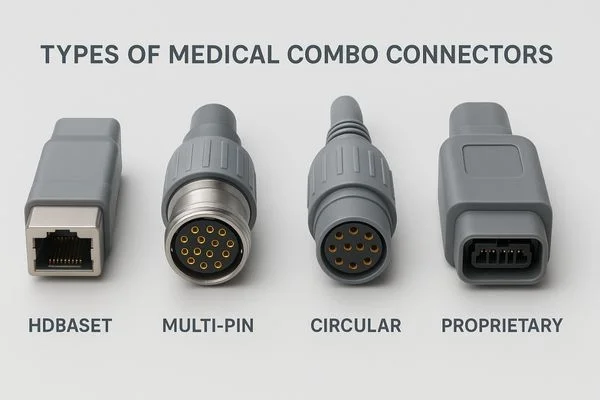
    Many medical devices require application-specific connector designs. Hybrid connectors, which integrate power, data, and signal lines in a single interface, are increasingly common in modern devices. Customization allows device designers to optimize size, pin arrangement, material selection, and environmental protection for unique use cases, from wearable monitors to advanced imaging equipment.

    Conclusion

    Designing medical device connectors requires careful consideration of electrical performance, mechanical durability, environmental resistance, size, ergonomics, regulatory compliance, and application-specific requirements. By addressing these factors, engineers and manufacturers ensure that connectors provide reliable, safe, and efficient connections for medical devices. Selecting high-quality medical device connectors and focusing on thoughtful design ensures device reliability, enhances patient safety, and supports the long-term performance of critical healthcare equipment.

    Increase in Workplace Injuries Fuels Growth of Group Personal Accident Insurance

    0

    The workplace environment continues to evolve, incorporating advanced technologies and diversifying industries. However, with these transformations comes an inherent rise in workplace risks. Recently, there has been a significant increase in workplace injuries across various sectors globally, triggering employers and individuals to revisit their approach to financial protection measures, specifically through insurance avenues. This year, the demand for third-party personal accident insurance and related solutions such as group personal accident insurance has been observed to rise substantially, owing to the mounting concern over workplace safety.

    Understanding Personal Accident Insurance

    Personal accident insurance is an insurance product designed to provide financial coverage against unforeseen events leading to accidental injuries, disability, or death. It compensates policyholders or their beneficiaries for losses caused directly by accidents, ensuring financial security during such challenging circumstances. Unlike life insurance, which covers death irrespective of its cause, personal accident insurance revolves exclusively around injuries or fatalities resulting from accidental occurrences, making it particularly relevant in workplaces where such risks are prevalent.

    The flexibility and inclusivity of personal accident insurance make it appealing not only to individuals seeking independent protection but also to employers aiming to safeguard their workforce. For workers frequently exposed to physical hazards—such as those in manufacturing, construction, logistics, healthcare, or even office spaces—personal accident insurance plays a mitigating role in countering the financial stress associated with recovery, rehabilitation, or loss of income due to temporary or permanent disability.

    Group Personal Accident Insurance as a Workforce Protection Tool

    Employers are increasingly turning to group personal accident insurance policies to ensure collective coverage for employees. A group personal accident policy extends accidental coverage to an entire workforce under a single plan, making it a cost-effective and practical choice for businesses. This option aligns with industry best practices, where organizations demonstrate responsibility for employees by offering greater security through comprehensive insurance benefits.

    Group personal accident insurance plays a pivotal role in addressing the varied risks within workplace environments. Some standard coverage features under group policies include:

    • Financial compensation for accidental injuries.
    • Coverage for permanent or partial disability caused by workplace accidents.
    • Death benefits paid to the dependents of the deceased employee.
    • Medical expenses related to immediate treatment or ongoing recovery post-accident.

    Such collective plans are being further tailored to fit specific industries, where risks differ greatly. For example, industries that involve heavy machinery might include enhanced provisions to protect against accidental dismemberments or injuries related to equipment usage. On the other hand, healthcare facilities could adopt policies prioritizing financial coverage for accidental exposure to hazardous substances or occupational health mishaps.

    Industry Trends Amid Rising Workplace Injuries

    The increase in workplace injuries recorded this year serves as a wake-up call for both employees and employers to intensify their focus on safety measures and financial preparedness. This shift has fueled several trends in personal accident insurance.

    1. Greater Awareness and Policy Adoption

    Unsafe workplace incidents have compelled numerous employers and individuals to explore personal accident insurance outwardly. Many industries are observing a surge in policy adoption as employers work proactively to cover the risks faced by their workforce. Employees, too, are increasingly securing individual personal accident insurance plans beyond what their employer may already offer.

    2. Customization and Versatility in Insurance Policies

    To meet the diverse requirements of different industries, insurance providers are offering customizable policies. Group personal accident policies, for instance, are being tailored according to workforce size, work environment, geographic exposure, and associated hazards specific to certain industries.

    3. Focus on Comprehensive Coverage

    Basic personal accident insurance policies, traditionally limited to accidental death and disability coverage, are now being upgraded. Recent trends show insurers including add-ons such as coverage for medical expenses, rehabilitation therapy, mental wellness programs post-incident, and income replacement during recovery periods. These additions reflect efforts to ensure holistic protection for policyholders.

    4. Rise in Technology-Driven Solutions

    Insurers are leveraging technology to streamline operations related to personal accident insurance. AI-enabled claim processing, digital policy management platforms, and real-time risk assessment tools have become integral. These advancements benefit employers and employees by simplifying insurance management processes and expediting claims.

    5. Demand for Workplace Wellness Programs

    Employers are complementing insurance offerings with workplace wellness initiatives focused on accident prevention. Such initiatives include educating workers about safety protocols, conducting regular risk assessments, and investing in ergonomic solutions to limit injuries caused by repetitive strain or improper posture in office settings. Offering these additional safety measures alongside personal accident insurance demonstrates a holistic approach to workplace safety management.

    6. Shift Towards Hybrid Work Locations

    The post-pandemic emergence of hybrid working environments has brought its share of challenges, especially in ensuring employee safety across varied workspaces, including homes and shared co-working spaces. As a result, insurers are evolving policies to include coverage for accidents occurring outside traditional physical offices.

    Why Third-Party Personal Accident Insurance is Growing

    Third-party personal accident insurance, distinct from general group policies, is gaining traction for its broad applicability. A third-party structure may cover injuries caused not only to employees within a business but also to external stakeholders, visitors, or contractors inadvertently affected by workplace incidents. This extra layer of coverage ensures businesses remain protected from potential legal or reputational risks associated with accidents involving non-employees.

    Businesses such as factories, retail establishments, or community centers benefit particularly well because their operational environments host significant foot traffic, elevating exposure to external accidental claims.

    The Financial Cushion Amid Rising Compensation Costs

    Workplace accidents can lead to immense financial burdens for individuals and businesses alike. While employees face mounting medical costs and a possible loss of income, businesses must navigate high compensation payouts, repair costs, and legal disputes. Personal accident insurance helps cushion these financial blows, allowing all parties involved to recover more seamlessly post-accident.

    Businesses with group personal accident policies often cover all employees across multiple geographic locations, ensuring comprehensive protection and easing the administrative complexity of managing claims individually.

    Individual personal accident insurance plans empower workers not adequately covered by their employers, providing peace of mind in case of unforeseen circumstances. This personal ownership of insurance makes employees more attuned to their financial stability while contributing indirectly to economic stability through reduced reliance on state-funded resources during times of crisis.

    Future Outlook for Personal Accident Insurance

    The robust response to workplace injuries this year suggests that personal accident insurance will continue to evolve as a critical financial safeguard. Future growth in this domain is expected to be fueled by:

    1. Enhanced Product Offerings

    Insurers are likely to launch new plans tailored for non-conventional industries, hybrid workspaces, and niche risk categories. Different add-ons will cater to unique needs, empowering policyholders to customize their coverage.

    2. Government Interventions

    As workplace safety remains a concern, regulatory bodies may enforce stricter guidelines for mandatory employer-provided insurance coverage. This could drive the adoption rate of group personal accident insurance within all industries.

    3. Prominent Role of Technology

    Digital platforms will further refine insurance operations, allowing faster claim settlements and easier access to policy modifications. Additionally, predictive analytics and risk monitoring systems may enhance accident prevention strategies for workplaces.

    4. Employee-Specific Programs

    Insurers may start aligning policies with benefits like employee retention and engagement strategies, offering premium add-ons or discounted rates on group plans for long-term organizational growth.

    5. Global Adaptations

    Cross-border regulations related to workplace safety will prompt multinational organizations to adopt global insurance schemes—ensuring coverage for workers from diverse cultural and operational backgrounds.

    Final Thoughts

    The steady rise in workplace injuries highlights the importance of financial preparedness for accidental uncertainties. Personal accident insurance, especially group personal accident , is at the forefront of mitigating risks associated with accidents, in tandem with enhancing the financial security of both employers and employees.

    As industries tackle workplace safety concerns collaboratively, the insurance sector is responding dynamically to cater to this growing demand. Employers, individuals, and insurers must continue to adapt by prioritizing accident prevention strategies and integrating comprehensive insurance solutions to secure workplaces effectively. Personal accident insurance is no longer merely a contingency plan—it is becoming the standard practice for modern-day workplaces committed to safety and financial resilience.

    Renault Duster: A Closer Look at Its Popularity and Design

    0

    The Renault Duster has etched its name as one of the most desirable compact SUVs in the Indian car market and beyond, thanks to its rugged design, dependable performance, and competitive pricing. Introduced to the masses at a time when SUVs were rapidly gaining traction, the Duster ushered in a new era of accessible and well-rounded vehicles for Indian road conditions. Over the years, its practicality and robust build have made it a favorite among families, solo adventurers, and automobile enthusiasts alike.

    In this article, we’ll delve into what makes the Renault Duster so popular, exploring its design, performance, and overall driving experience. We’ll also touch upon how tools like a car loan calculator can help potential buyers plan their finances when considering this affordable marvel.

    The Popularity Behind Renault Duster

    The Renault Duster is synonymous with versatility. Its popularity can largely be attributed to several key factors:

    1. Rugged Performance for Indian Roads
    The Duster’s sturdy build and capable suspension system set it apart from other compact SUVs. Designed to handle uneven terrains, pothole-ridden streets, and challenging weather conditions, the Duster effortlessly combines comfort with off-road capabilities. Indian buyers greatly value vehicles that can handle erratic road conditions, and in this area, the Duster scores high marks.

    2. Affordable Pricing
    Renault ensured that the Duster caters to a broad audience by pricing it competitively. Even while offering advanced features and impeccable design, the car managed to remain accessible, making it a draw for middle-income families and young professionals looking for an affordable yet reliable SUV.

    3. Stylish Yet Practical Design
    The Renault Duster is designed to stand out, with bold curves and an imposing look that appeals to SUV lovers. Its compactness makes it ideal for city driving, while its interior offers sufficient space for passengers and luggage. The design achieves a perfect balance between aesthetic appeal and practicality, adding to the vehicle’s mass appeal.

    4. Proven Brand Legacy
    Renault, a globally respected automobile manufacturer, brings trust and reliability to the table. Over the years, the Duster has proven itself, solidifying consumer faith in its quality and durability.

    A Deep Dive into Renault Duster’s Design

    The Renault Duster’s design is a harmonious blend of sophistication and utility. Despite being classified as a compact SUV, it offers the muscular, rugged appeal of a full-size off-road machine. Let’s explore its design aspects:

    Exterior Design

    The Renault Duster’s exterior is both commanding and stylish. With its bold grille, chrome accents, high ground clearance, and sporty roof rails, the Duster stands out in a crowd. At the same time, the compact dimensions ensure it is easy to maneuver in crowded urban areas. Fog lamps, tailgate cladding, and 16-inch alloy wheels complete the look, emphasizing the SUV’s adventurous personality.

    Interior Elegance

    Inside, the Renault Duster surprises with thoughtful details and a functional layout. The cabin boasts ample legroom, a spacious boot, and comfortable seating. The combination of premium fabric upholstery and smartly placed controls caters to convenience and luxury.

    Advanced features like touchscreen infotainment systems, climate control, steering-mounted audio controls, and keyless entry add to the modernity of the vehicle. For families who prioritize storage and comfort, the Duster delivers admirably.

    Safety Features

    Renault hasn’t cut corners when it comes to safety features in the Duster. It includes dual airbags, ABS (Anti-lock Braking System), EBD (Electronic Brakeforce Distribution), and hill-start assist. These features boost buyer confidence, especially for individuals looking for a safe and reliable vehicle.

    Why Renault Duster is a Smart Buy

    For Daily Commutes and Weekend Adventures

    The Duster is one of the few compact SUVs that can seamlessly transition from city commutes to weekend adventures. Whether you’re navigating narrow alleyways in the urban jungle or climbing steep hill roads on your way to a remote getaway, the Duster handles both scenarios with ease.

    A Variety of Engine Options

    Renault offers the Duster with petrol and turbocharged diesel engine options, catering to different driver preferences. Its engines are known for their responsive performance and efficient fuel economy, which is ideal for Indian consumers who value both power and cost-effectiveness.

    Making Your Purchase Easier: Using a Car Loan Calculator

    Investing in a Renault Duster is an exciting decision, but it also requires careful financial planning. One of the smartest tools for gauging affordability is a car loan calculator, which helps prospective buyers calculate their monthly loan payments and interest rates based on the car’s price, loan tenure, and down payment.

    Benefits of Using a Car Loan Calculator

    1. Improved Financial Clarity:
    A car loan calculator allows buyers to understand how much they need to budget each month to repay their loan, eliminating any financial guesswork.

    2. Flexible Scenarios:
    You can tweak variables like tenure, initial down payment, and interest rates to determine what suits your budget the best.

    3. Ease of Comparison:
    Whether you’re considering multiple lenders or evaluating different payment plans, a car loan calculator makes it easy to identify the most cost-effective option.

    For Renault Duster buyers, this calculator helps bring accessibility into clearer focus. With the Duster’s affordable pricing, financing options become even more manageable for most income groups.

    Conclusion: The Renault Duster Legacy

    The Renault Duster has been a trendsetter for compact SUVs, redefining what this segment could offer. Its rugged charisma, spacious interiors, and robust performance continue to make it stand tall in the market. Whether you prioritize off-road capabilities or daily practicality, the Duster caters to every type of SUV enthusiast.

    For potential buyers, tools like car loan calculators simplify the decision-making process, revealing how user-friendly and accessible this iconic SUV truly is. With its competitive pricing, durable reputation, and trustworthy engineering from Renault, the Duster is more than just a car—it’s a driving experience carefully crafted for a diverse range of customers.

    So, if you’re on the lookout for a reliable, stylish, and versatile ride, the Renault Duster deserves your serious consideration. It’s not just a vehicle; it’s a statement of practicality, adventure, and smart investment rolled into one dynamic package.